



Flutter is growing fast, but even as we expand we are determined to reduce our impact on the environment – and we are already taking action across our business.

Go Zero represents our action on both climate change and wider environmental issues. We are making our buildings more energy efficient and introducing electric car schemes. We have also switched both our retail sites and other Flutter buildings to operate on electricity matched with 100% renewable energy.1.
Go Zero
Our net zero target was validated by the Science Based Targets initiative (SBTi)
Acting right now for a better tomorrow
We have set science-based carbon reduction targets covering Scopes 1, 2 and 3, we are working to collect carbon data that's as robust as our financial data, and we are sharing insights, expertise and data across our brands to accelerate action. We are taking a three-part approach to achieving our targets.
Reducing our emissions
Removing emissions
Supporting the transition
- 2025 progress
Achieved a B CDP score
13% supplier climate commitment
We want the places where we work to be visible examples of our commitment to Go Zero
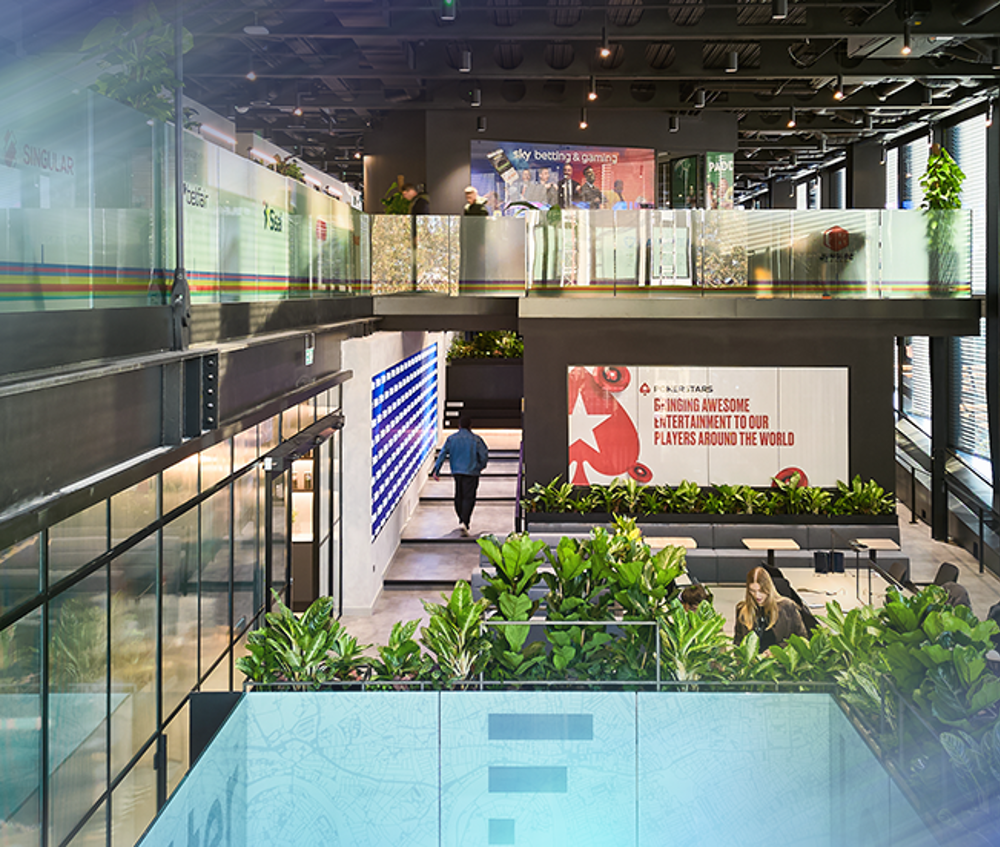
19 Flutter offices worldwide now hold sustainability certifications, including BREEAM, LEED, and ISO 50001, an international standard that helps organizations improve energy management and efficiency. In 2025, we achieved ISO 50001 Energy Management System certification across six Flutter locations globally, building on the two Sisal locations in Italy (Rome and Milan) that already held this certification.
Scaling impact with better supplier data
In 2025, we gained visibility into our suppliers’ climate targets for the first time. 13% of emissions come from those with committed or validated targets, increasing confidence in value chain decarbonization. Additionally, 28% of our supplier emissions are now calculated from disclosed emissions, reducing our reliance on modeled estimates and improving accuracy.
Together, these insights help us prioritize future engagement with suppliers yet to set targets, scale impact across the supply chain, and support delivery of our net zero strategy.

Removing our unavoidable emissions
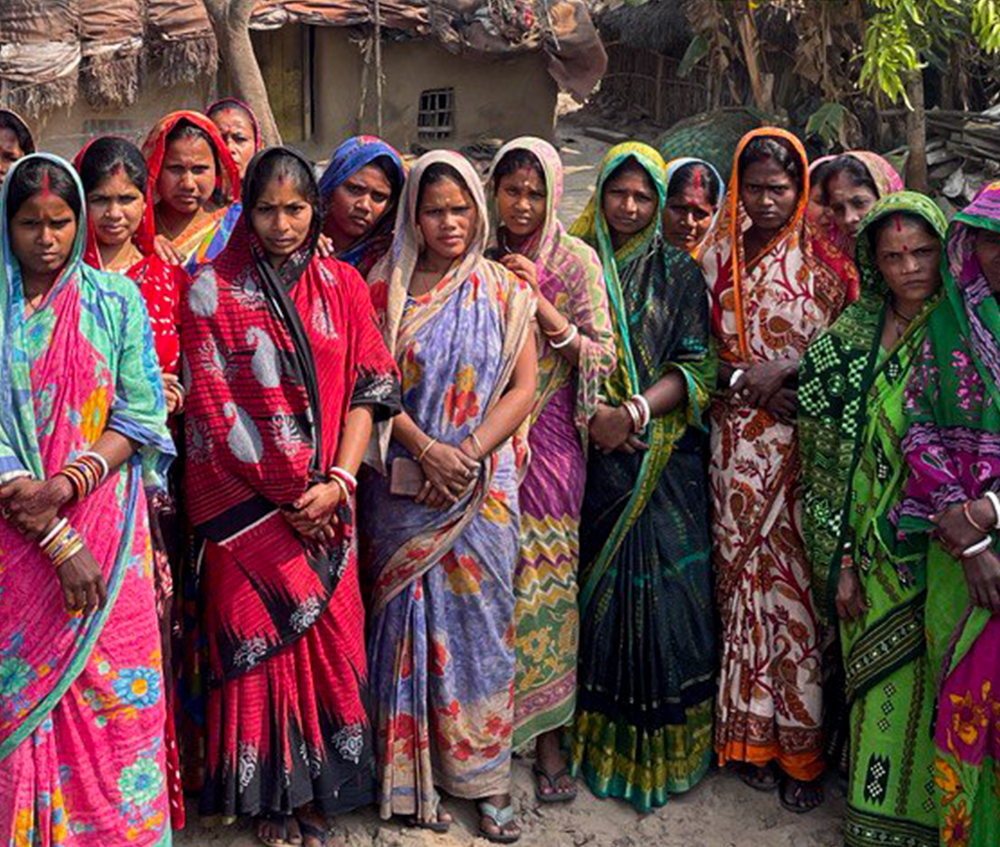
Flutter funds a range of short-term and durable projects that support nature and technology-based carbon removal. One project works with farmers in India to convert agricultural waste into biochar, a stable, carbon-rich charcoal.
Farmers often have surplus residues such as bamboo and corn cobs, which are typically burned or left to decompose, releasing emissions. Instead, this waste is transformed into biochar, which can store carbon for centuries. The biochar is then blended with organic manure and applied to soils, improving soil structure, fertility, and long-term agricultural productivity.
Supporting broader climate transition across our offices
In Dublin, Flutter partnered with Olio, a food sharing platform, to redistribute 653kg of surplus food from the office. Supporting 160 local households, preventing food waste, saving 482m3 of water, and avoiding 2,733kg of CO2 emissions.

[1] 100% renewable electricity supported by internationally recognised renewable energy certificates.